
ICSS provides programming, configuration and qualification for ALSPA P320 boards and equipment. The objective is not merely to load a file into a module, but to restore a configuration compatible with its reference, revision, role in the architecture and intended project.
This capability is based on manufacturer-level knowledge of the different system generations, legacy engineering tools, and generation and loading chains. It can return a spare part to service, restore firmware that has become difficult to obtain, or prepare a module before installation on site.
Programming in the actual system context
Methods differ according to the ALSPA P320 generation, controller type and hardware concerned. ICSS has the environments and expertise required to work with P4 and P8 workstations, Machine Edition, ALSPA P80 and Cell Loader, as well as tools specific to certain boards.
Before any programming, the exact reference, hardware revision, installed firmware and project-specific parameters are identified. Where possible, the original content is read and saved to retain a comparison basis and rollback option.
Specific modules and configurations
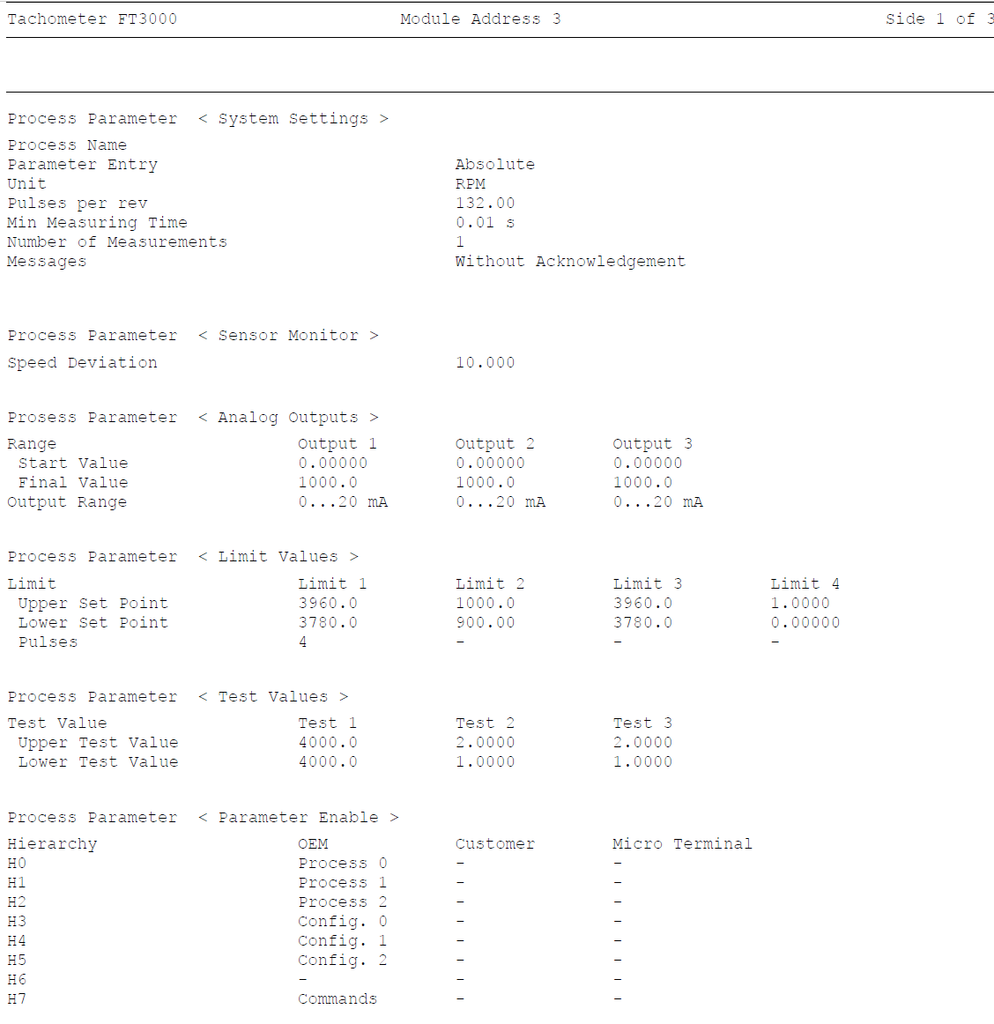
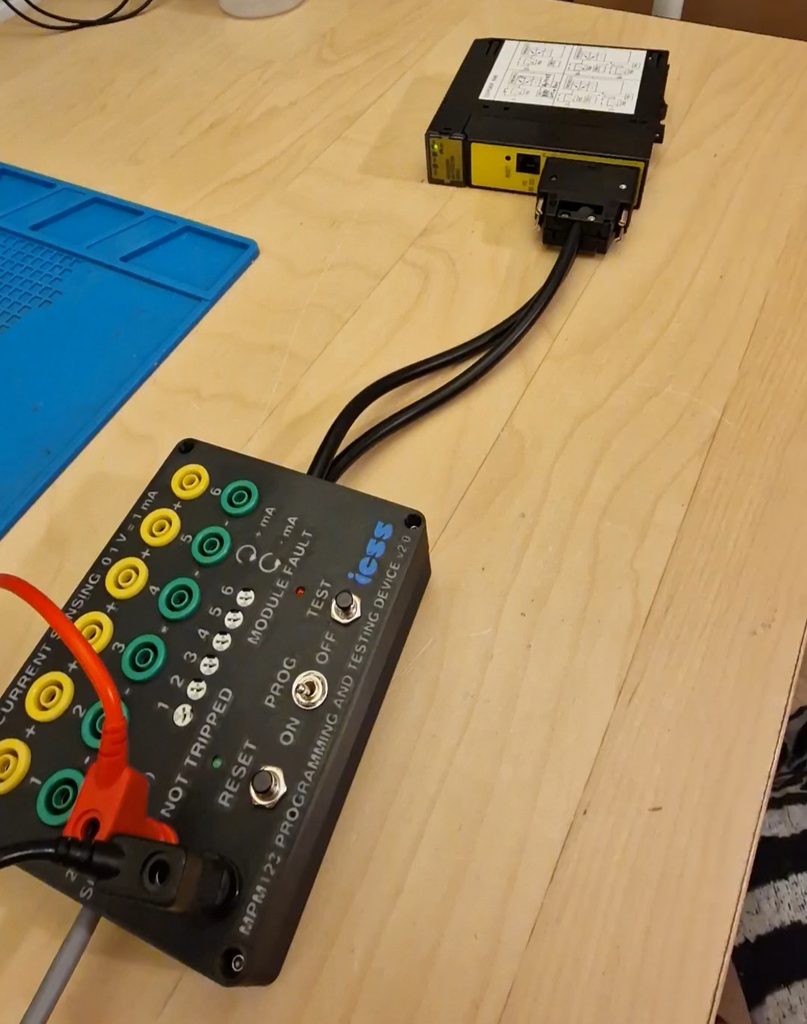
MPM123: reading and writing internal parameters required to adapt a spare board to the required configuration.STI171andSTI171-1: CPLD programming, controlled adaptation of a variant and functional requalification in a P320 TGC environment. An example involving reconstruction of a3/60prescaling function is presented in ICSS projects and case studies.TTM211andUMT162: preparation and configuration of measurement and protection modules for their function within the system.BEM340andBEM341: loading the appropriate ALSPA firmware and checking integration into the existing network and architecture.Bentley Nevada 3500: configuration of equipment when integrated into plant monitoring and protection functions.Jaquet FT3100and associatedFTFU3124boards: programming and readback of parameters on the ICSS platform using theFTK3172module.
This list is not exhaustive. Requests involving another reference can be assessed based on available hardware, documentation, the content of a working board and the facilities required for qualification.
Firmware loading and restoration
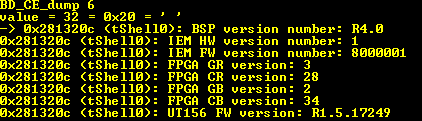
ICSS can work on the firmware of various ALSPA P320 devices, including UT129, UT150, UT156 (ICSS has the hardware required to flash the UT156 bootloader without using the FDU client), MFC1000, MFC3000, S316 and S317.
Firmware selection is not based solely on the module name: compatibility with the hardware revision, system version, project configuration and associated equipment must be verified before loading.
Qualification suited to the function
A message stating that programming completed successfully is not enough to declare a board fit for service. Depending on the module, qualification may include:
- verification of hardware identity, revision and configuration
- readback of programmed content and checking of available parameters or checksums
- module start-up and behaviour within a representative controller or rack
- communications, I/O, thresholds, measurements and states expected by the control blocks in
CCAD - single, cyclic or extended I/O tests to detect faults that a simple change of state would not reveal
- redundancy, switchover or safety functions where the test bench can reproduce them
For a digital-input board, the protocol may, for example, include 500 activation and deactivation cycles two seconds apart, followed by holding the states for up to 30 minutes. These tests can reveal certain intermittent faults or issues related to optocoupler behaviour over time.
Testing may use CE2000 racks, C80-75 controllers, signal or frequency generators, electronic loads and suitable measuring equipment. For a repaired board, it may be supplemented by thermal inspection and extended observation under load.
Traceability before return to service
Where included in the service, a report records the hardware reference and revision, loaded firmware or configuration, test equipment used, points checked and any qualification limitations. The site therefore has a clear record of the prepared part before installation.
Complementing repair and spare-parts services
Programming can complement an ALSPA P320 board repair or preparation of a spare part. ICSS also maintains a stock of boards and equipment available from the spare-parts shop. A board can therefore be repaired, programmed and qualified in a single process where the corresponding test facilities are available.