
ICSS provides maintenance and long-term operational support for ALSPA P320 Series 4, 5/5.1 and 6/6.1 systems, as well as specialised subsystems such as TGC, ControSteam and ControGas. This coverage includes controllers, I/O, networks, HMI workstations, engineering tools and associated peripheral equipment.
Services may take the form of a maintenance contract, remote support, a preventive visit or one-off work on site. The objective is to retain technical control of the system, anticipate obsolescence, and be able to diagnose, repair or modify the plant without relying exclusively on manufacturer support.
Maintenance contracts and continuity of support
A contract provides support over time. ICSS retains the site’s technical history, project versions, modifications made, incidents encountered and architectural specifics. This continuity avoids restarting the system analysis from the beginning with every assignment.
The scope is adapted to the requirements and the plant’s remaining industrial life. It may include backups, preventive visits, remote support, outage preparation, redundancy tests, management of critical spare parts, equipment repair and modifications.
Two arrangements are available: remote support supplemented by a scheduled annual assignment, or mainly remote support with on-site work requested as required. The contract may also define escalation procedures, contacts, expected deliverables and conditions applying to priority requests.
Major projects that extend beyond maintenance and limited improvements — a complete redesign of a control strategy, extension to a new unit or integration of a new external system — are covered by a separate proposal.
Technical scope
The exact scope depends on the project architecture. Maintenance may cover:
- Engineering tools and projects:
Controcad,CCAD,P4,P8, generation, loading and backup. - Controllers:
C370,C80-35,C80-75,RX3i,MFC1000,MFC3000and specialised controllers. - I/O and field controllers:
CE3000,CE2000,CE1500and associated equipment. - HMI systems:
Centralog,ALSPA HMI, operator stations,CIS,CVS,CLOGSQL,HistorianandHDSR. - Networks:
F8000,F900,S8000,Contronet,EPL,Ethernetand their connection equipment. - Communication with third-party systems:
Modbus,Profibus,OPC,IEC 60870,ICCPand dedicatedCSS-Ggateways. - Workstations, power supplies, disks, batteries, printers and other equipment that has become difficult to replace.
ICSS can work at several levels of the same problem: process behaviour, control logic, controller, network, HMI, operating system or hardware. This approach is particularly useful when a fault spans several components or when its cause does not match the symptom initially observed.
Structured remote support
Support is based on a technical platform dedicated to the project, maintained by ICSS from the project database, configuration files, documentation and required tools. The customer provides available data — DCS project, architecture and wiring drawings, procedures and backups — together with significant changes made to the system.
A support request documented with screenshots, alarm lists, trends, DCS logs, network traces or diagrams allows analysis to begin quickly. Depending on the requirement, the work may include:
- Initial analysis and diagnosis of an alarm or incident.
- Assistance in interpreting system or process behaviour.
- Preparation of recommendations, an action plan or a limited modification.
- Offline preparation of a correction and support during loading.
- Follow-up of previous incidents and verification of results after the work.
- Preparation of a technical report and maintenance of a consolidated support history.
Communication may use email, video conferencing, file transfer, remote access or the customer’s VPN where site rules permit. On-site work remains available where a physical presence, local measurements or testing are required.
Scheduled visits and preventive maintenance
A scheduled assignment addresses priority topics defined in advance, then uses the remaining time for a general system review, limited improvements and knowledge transfer to operations and maintenance teams.
Depending on the plant and available testing opportunities, the visit may include:
- Review of faults, recurring alarms and incidents since the previous visit.
- Backup of projects, workstations and configurations, and verification of restoration facilities.
- Examination of controllers, servers, networks, operator workstations, extensions and peripheral equipment.
- Checks of batteries, power supplies, disks, ventilation and temperatures.
- Switchover tests for controllers, networks and redundant stations.
- Verification of deployments, databases and versions actually loaded.
- Implementation of agreed corrections or modifications and associated hands-on training.
- Assessment of failed equipment that may be repairable or suitable for refurbishment.
Anomalies are therefore addressed before they become blocking issues. Standby workstations and boards can be maintained at the configuration level of the equipment in service, making them genuine replacements that are immediately usable.
Supported generations and architectures
ALSPA P320 Series 4
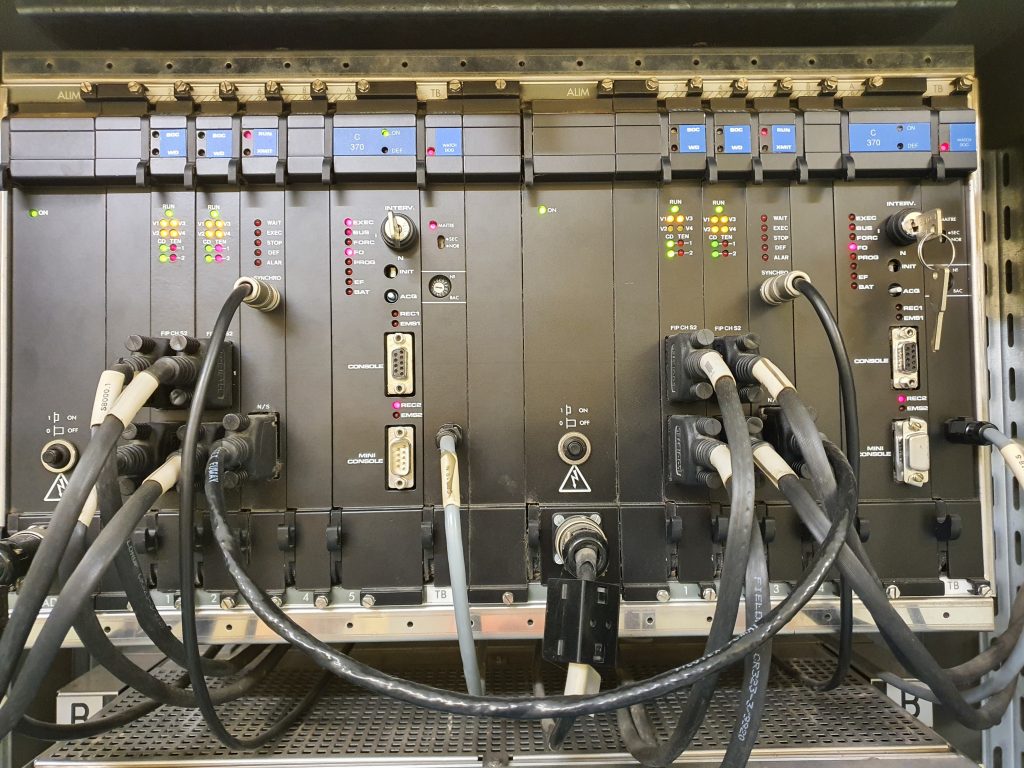
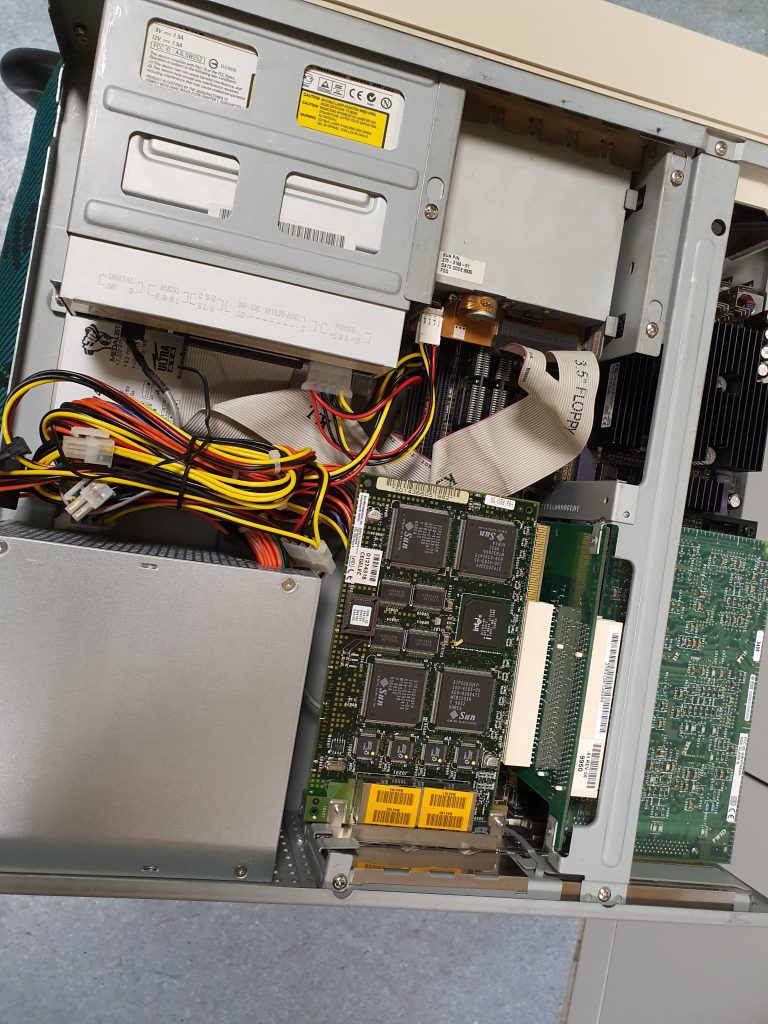
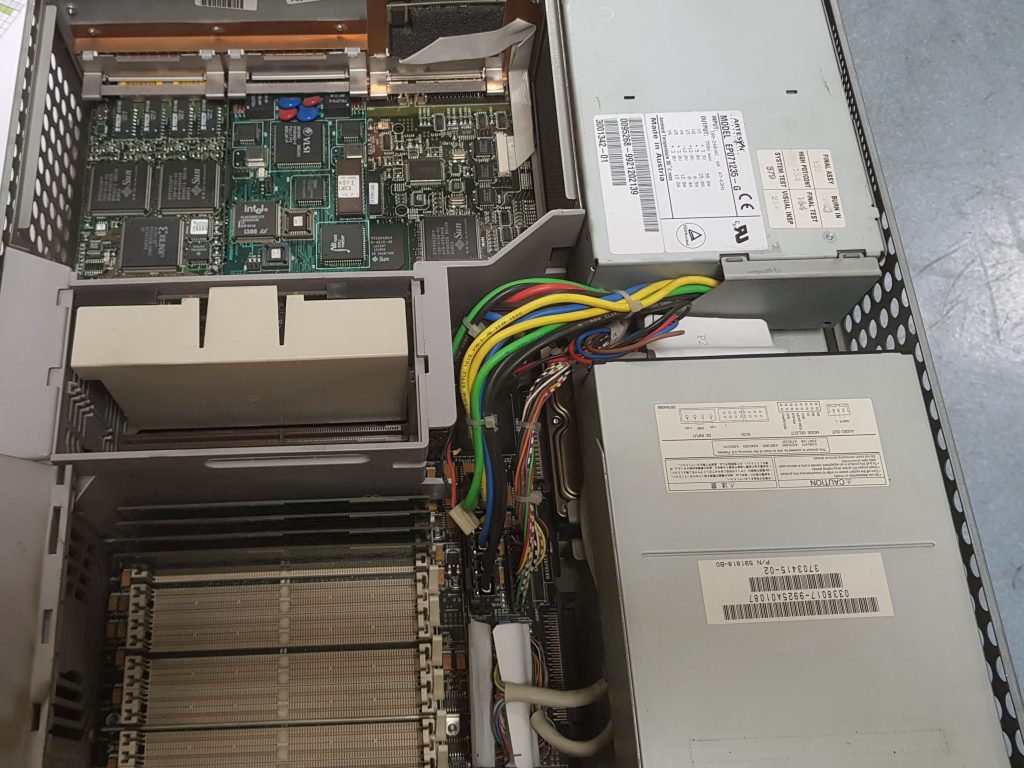
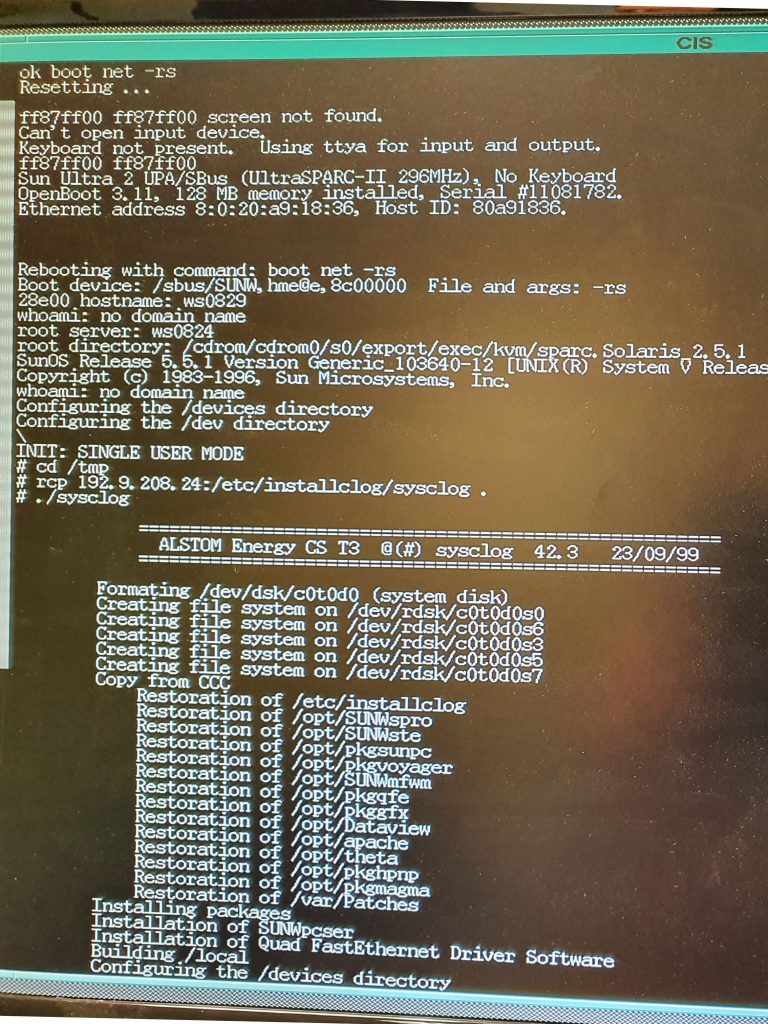
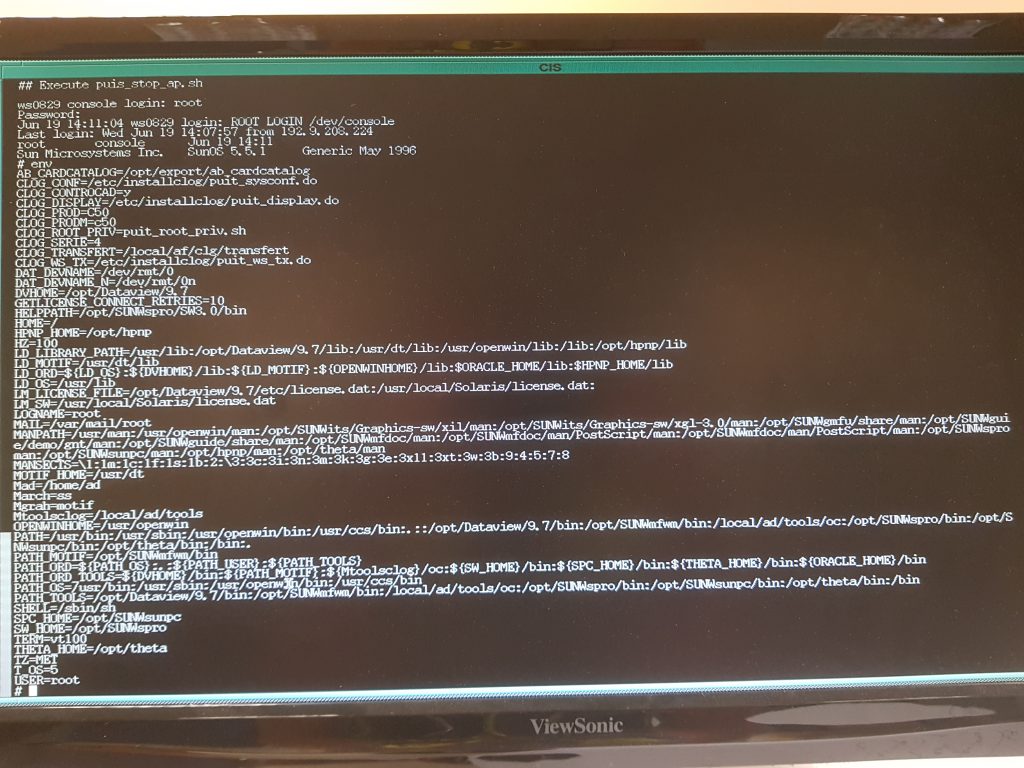
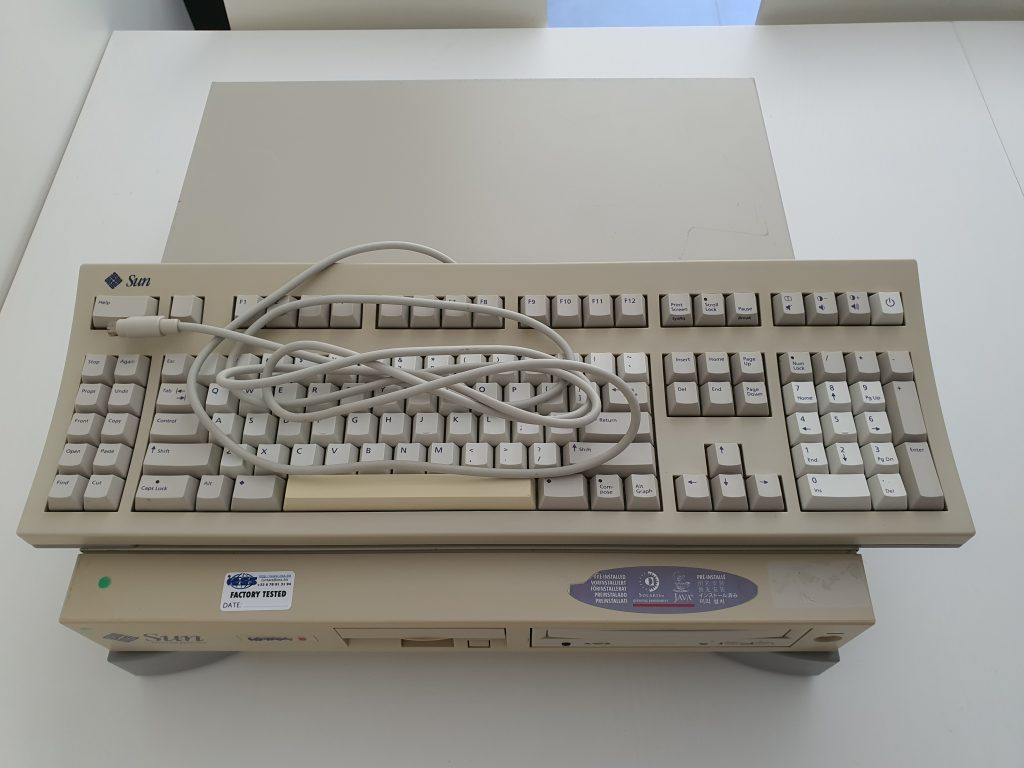
On ALSPA P320 Series 4, maintenance covers C370 controllers, legacy CE2000 equipment, F8000 and F900 networks, SUN workstations under Solaris, and Controcad Unix, P4 and microETE tools. It also covers memory, batteries, power supplies, disks and boards that have become difficult to source.
Restoring engineering environments is often a priority: having a backup is not enough if the tools required to view, generate or load it no longer work. Virtualisation of compatible workstations, restoration of Unix stations and retention of standby hardware preserve the ability to modify the plant.
ALSPA P320 Series 5 and 5.1
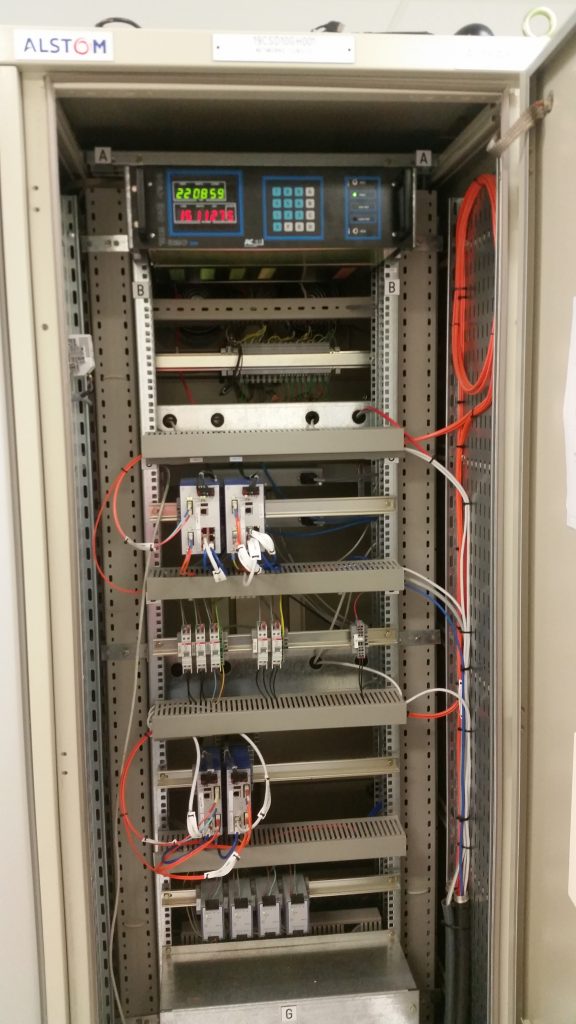
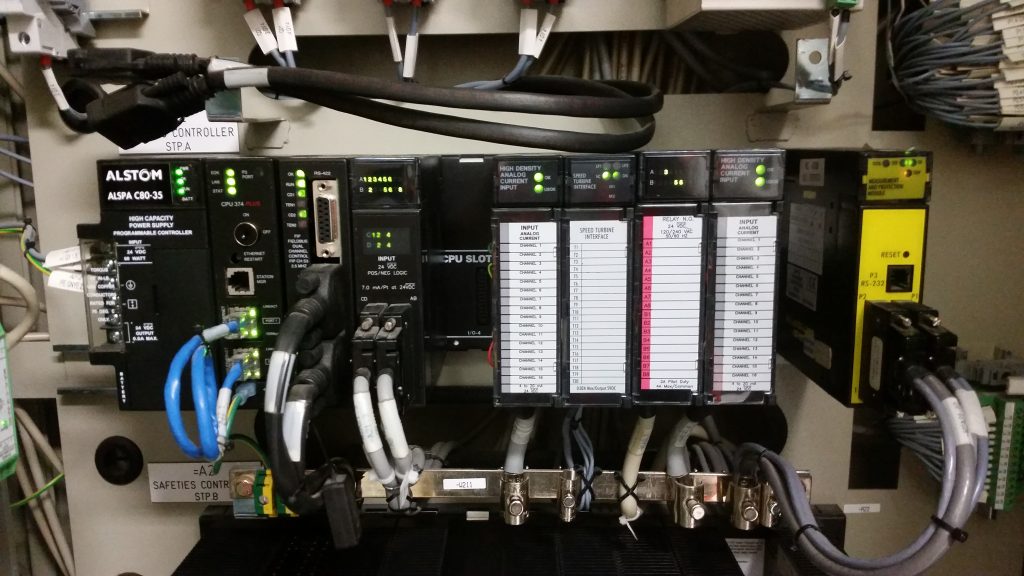
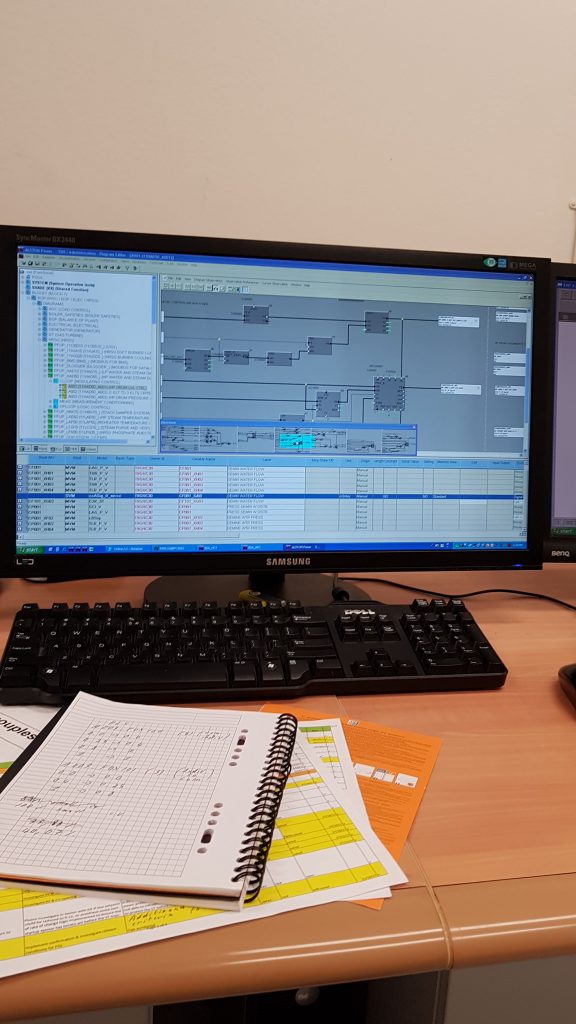
Maintenance of Series 5 and 5.1 covers C80-35, C80-75, CE2000, RX3i, PCX, Centralog, Controcad and Historian. ICSS provides diagnostics, firmware work, loading, communications, logic modifications, HMI databases, and workstation replacement or virtualisation.
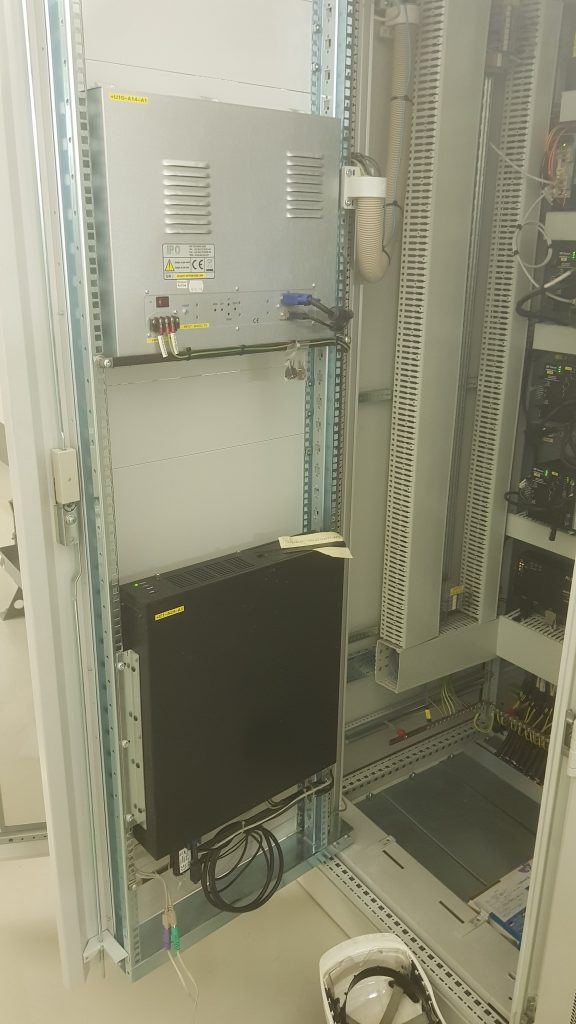
Particular attention is paid to version consistency, Centralog and Controcad backups, and legacy Windows equipment. Standby controllers and workstations must be checked regularly to ensure they can actually be used in the event of a failure.
ALSPA P320 Series 6 and 6.1
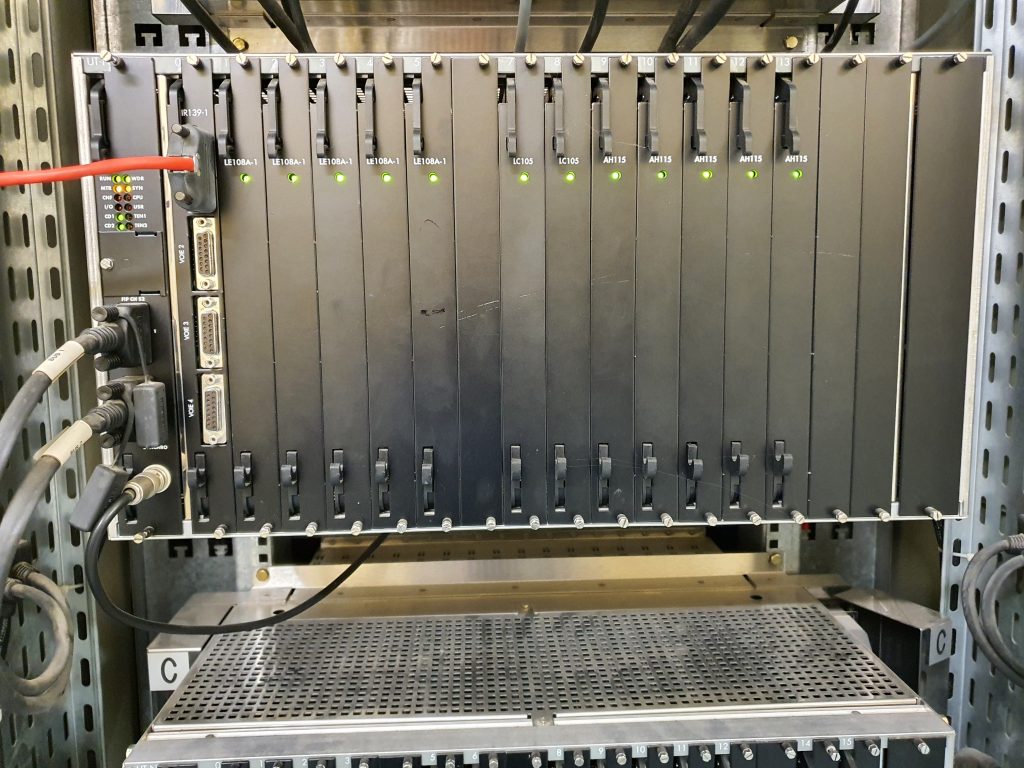
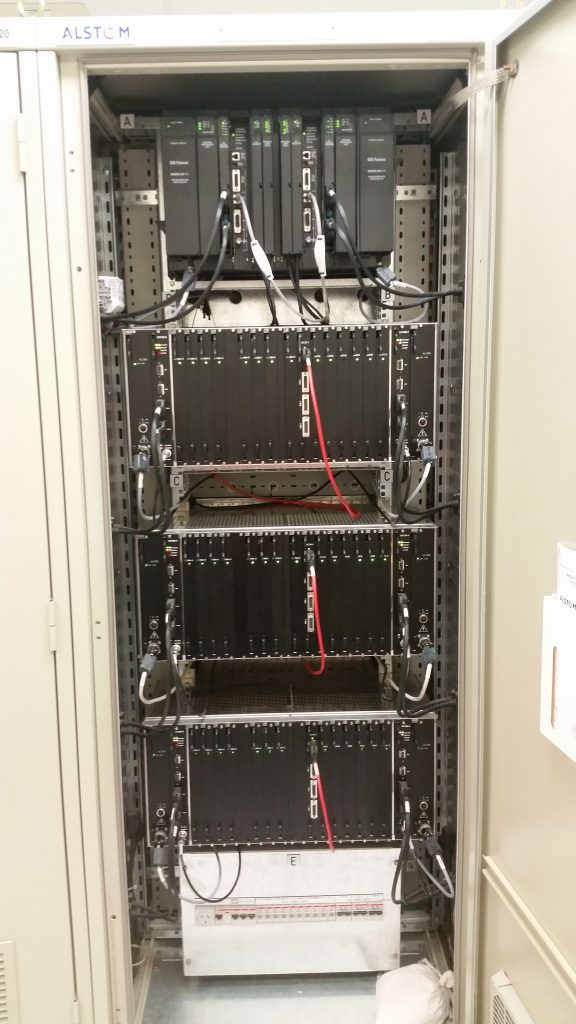
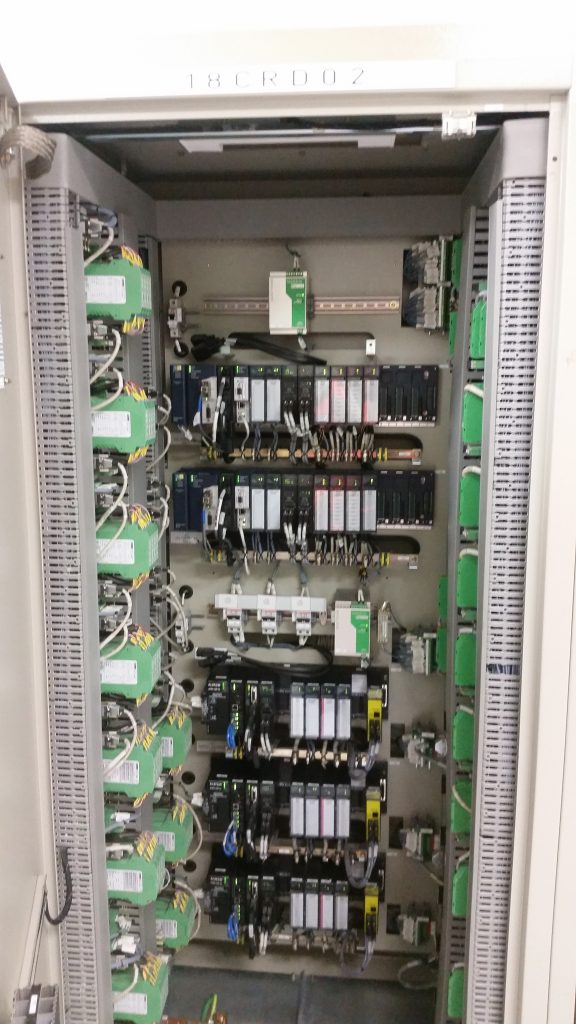
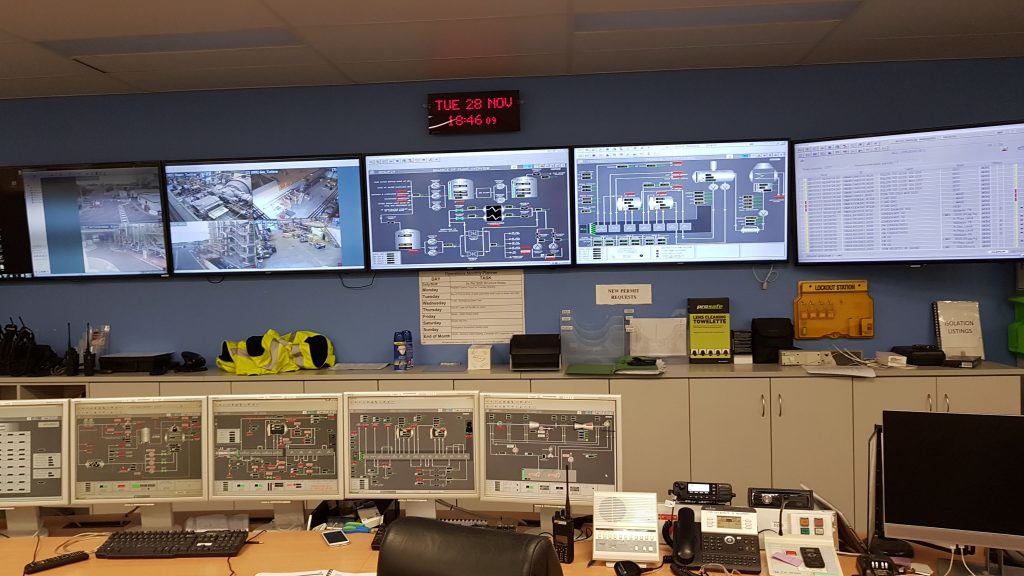
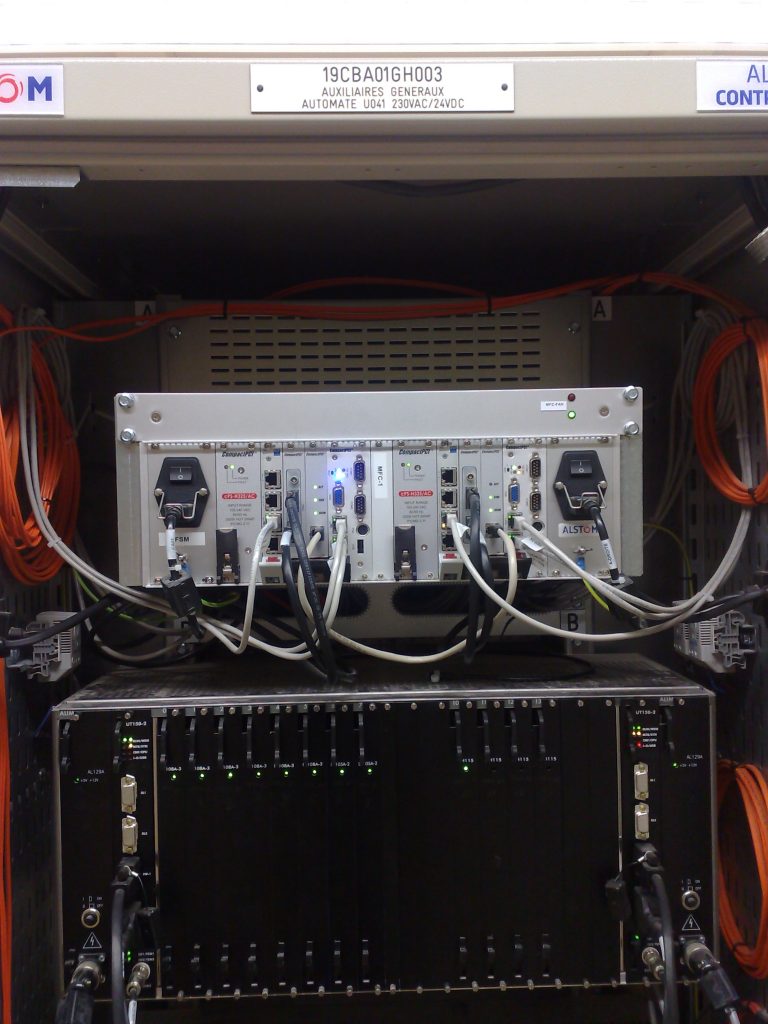
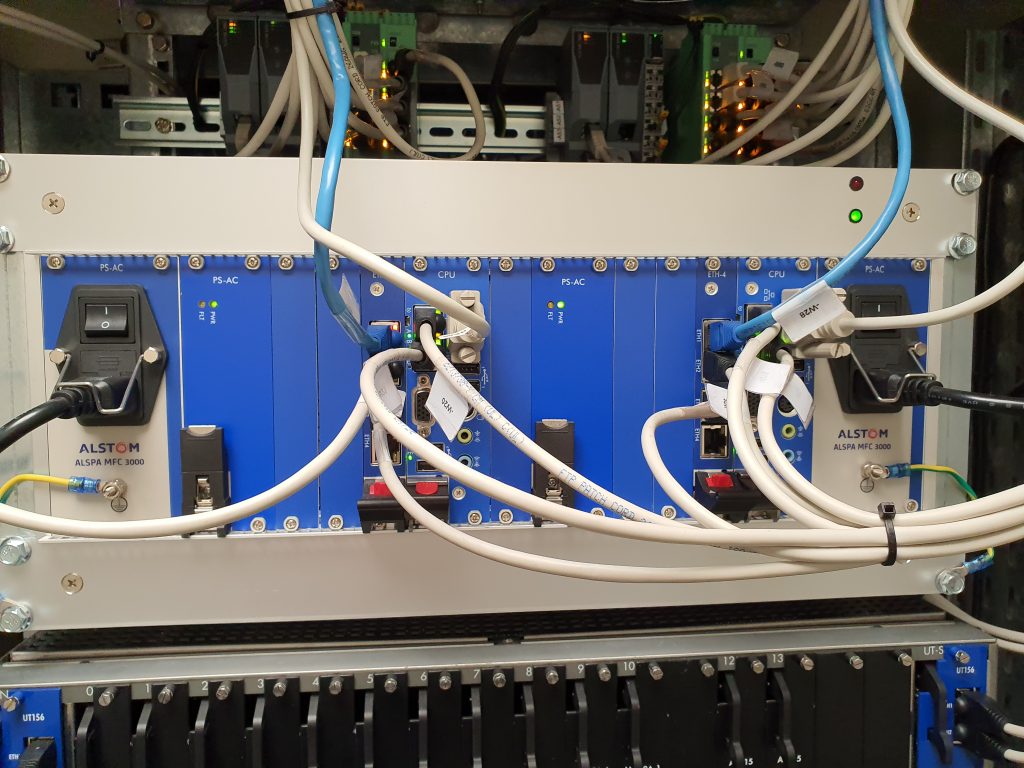
For Series 6 and 6.1, support covers MFC3000 and MFC1000, PCX, CE1500, CE2000, CE3000, ALSPA HMI, networks EPL and FIP, communication Modbus and redundant architectures. Software versions, network exchanges and switchover responses must be analysed in the actual project context.
ICSS can also work on online modifications, intermittent faults, automated log collection and analysis of communication between controllers. Apparently operational redundancy may behave differently during a network loss, restart or very brief hardware fault.
Spare parts, repair and qualification
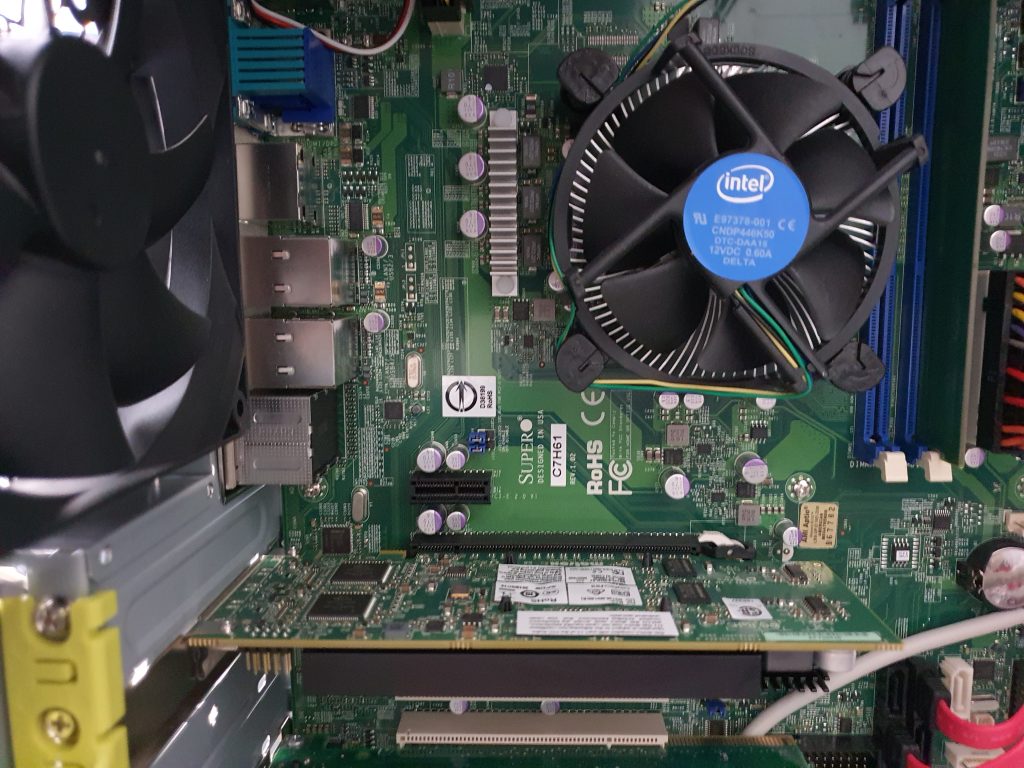
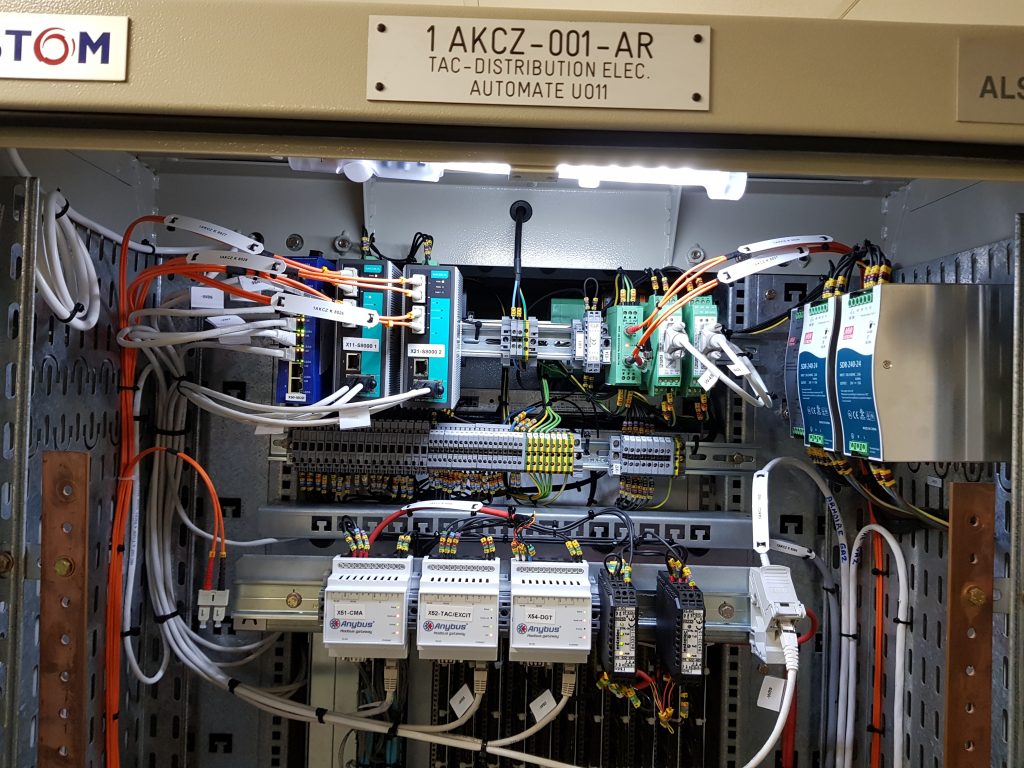
Maintenance continuity also depends on compatible, correctly configured hardware being available. ICSS maintains a stock of ALSPA P320 boards, workstations, power supplies, disks and equipment for diagnostics, repair or supply as spare parts.
A contract can identify the site’s critical parts in advance and define the conditions for supplying selected references during its term, subject to availability. Standby equipment can be checked periodically and maintained at the same configuration level as the hardware in service.
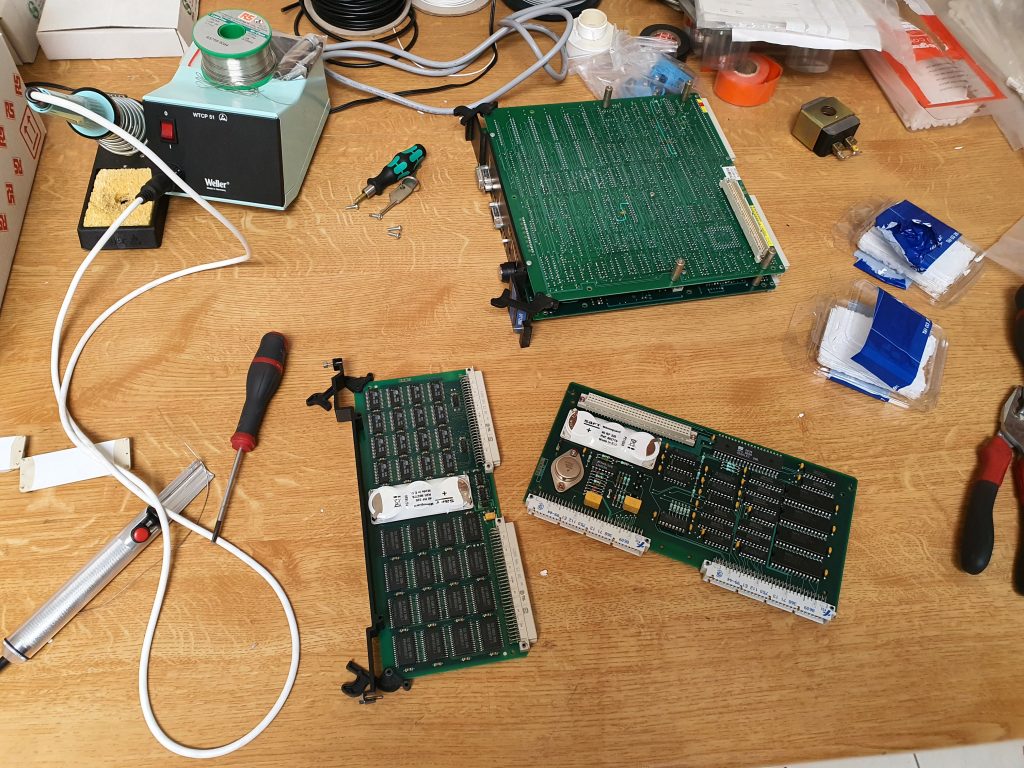
Failed boards can be repaired and then qualified on a test bench or representative ALSPA platform where the available facilities can reproduce their environment. Depending on the hardware, tests cover power supplies, I/O, communications, thresholds, measurements, redundancy or functions expected by the control blocks. Programming and qualification can also restore firmware or a project-specific configuration.
Repair remains subject to prior technical assessment. Where it is not possible, or where a replacement is required quickly, ICSS can seek a solution among the available spare parts.
Tavaux: maintain rather than replace prematurely
At the Tavaux industrial site, replacement of the ALSPA P320 system was initially considered because of its age. The analysis showed that a complete retrofit would require a significant budget for an uncertain remaining operating life. ICSS has therefore supported the site since 2019 in sustaining the existing system.
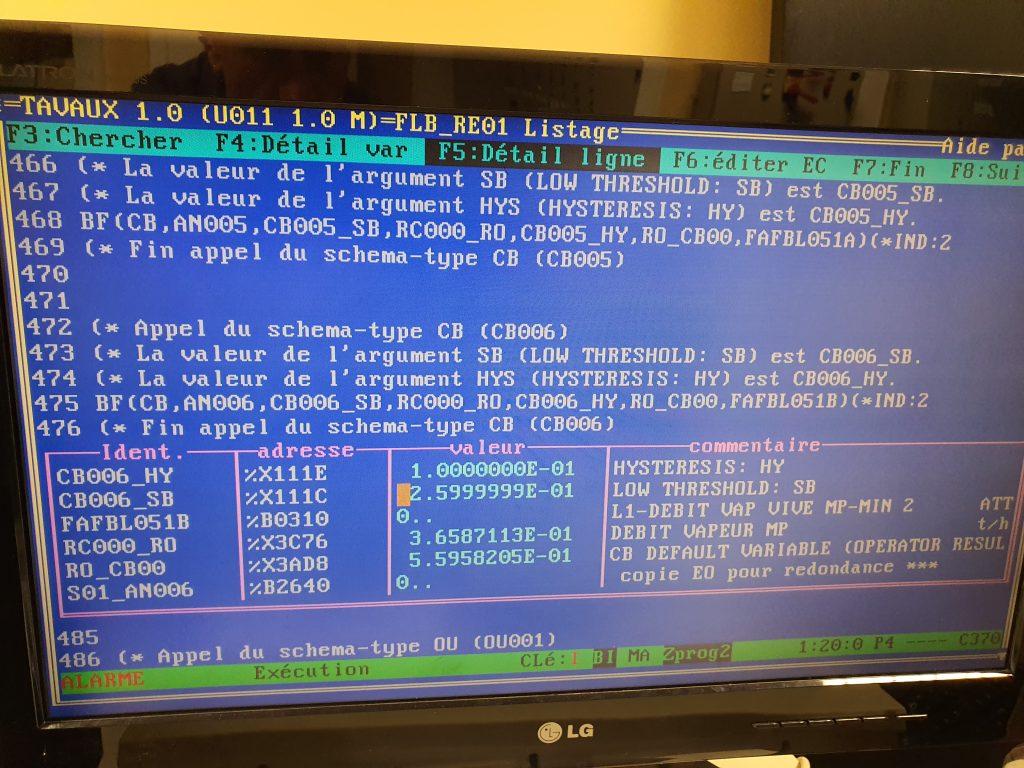
Engineering capabilities were restored by virtualising the P4 workstation and returning the CCAD Unix environment under Solaris to service. DAT-drive backups were replaced with network transfers, legacy printers were adapted, the CLOGSQL interface with the performance-calculation system was retained, and spare parts were sourced or refurbished.
The system can once again be modified, generated and loaded. Since this support was introduced, the site has experienced no unavailability attributable to P320. This example shows that structured long-term operational support can be safer and more economical than an immediate retrofit when the plant’s remaining life does not justify one.
Define a contract or plan an assignment
To define the scope of a maintenance contract, prepare a preventive visit or address a targeted fault, please provide the ALSPA P320 series, main equipment concerned, available versions, overall architecture and nature of the requirement where possible. An initial discussion will identify the useful documents and most appropriate form of support.